 English
 Čeština
Open fires are banned until further notice. Risk of wildfire.
Game management
Game management in Prague is carried out under Act no. 449/2001 Coll., on game management. The Act defines game management as the set of activities carried out in nature in relation to wild game as part of the ecosystem, and the association activity aimed at preserving and developing the traditions and customs of game management as part of Czech national cultural heritage.
The whole territory of Prague is divided — by its character or by decision of the state game management authority of Prague City Hall — into hunting and non-hunting land. Hunting land is grouped into so-called hunting grounds, which have to meet certain parameters: size, continuity and the like. The owners of hunting land are represented in a hunting association, which decides on leasing the hunting ground, for example to a game management club. On hunting grounds, hunting rights are exercised under the Game Management Act.
As the owner of a large amount of forest and agricultural land, the City of Prague is a member of all the hunting associations whose hunting grounds reach at least partly into Prague. Especially in the outlying districts and in forests outside Prague (Říčany cadastral office), the forests are part of hunting grounds that the associations have mostly leased out.
Some forests — particularly in the built-up part of the city — are classed as non-hunting land (the Hvězda game park, the Kunratice forest, Hodkovičky, Cibulka, Čimický háj and others). If a species of game becomes overabundant and damage to forest stands increases, permission for regulatory culling is sought in these individual cases.
Lesy hl. m. Prahy represent the City of Prague, as the owner of both hunting and non-hunting land, in proceedings held under the Game Management Act.
They also carry out regulatory culling on selected non-hunting land owned by the City. Permission to cull is issued by the competent state game management authority.
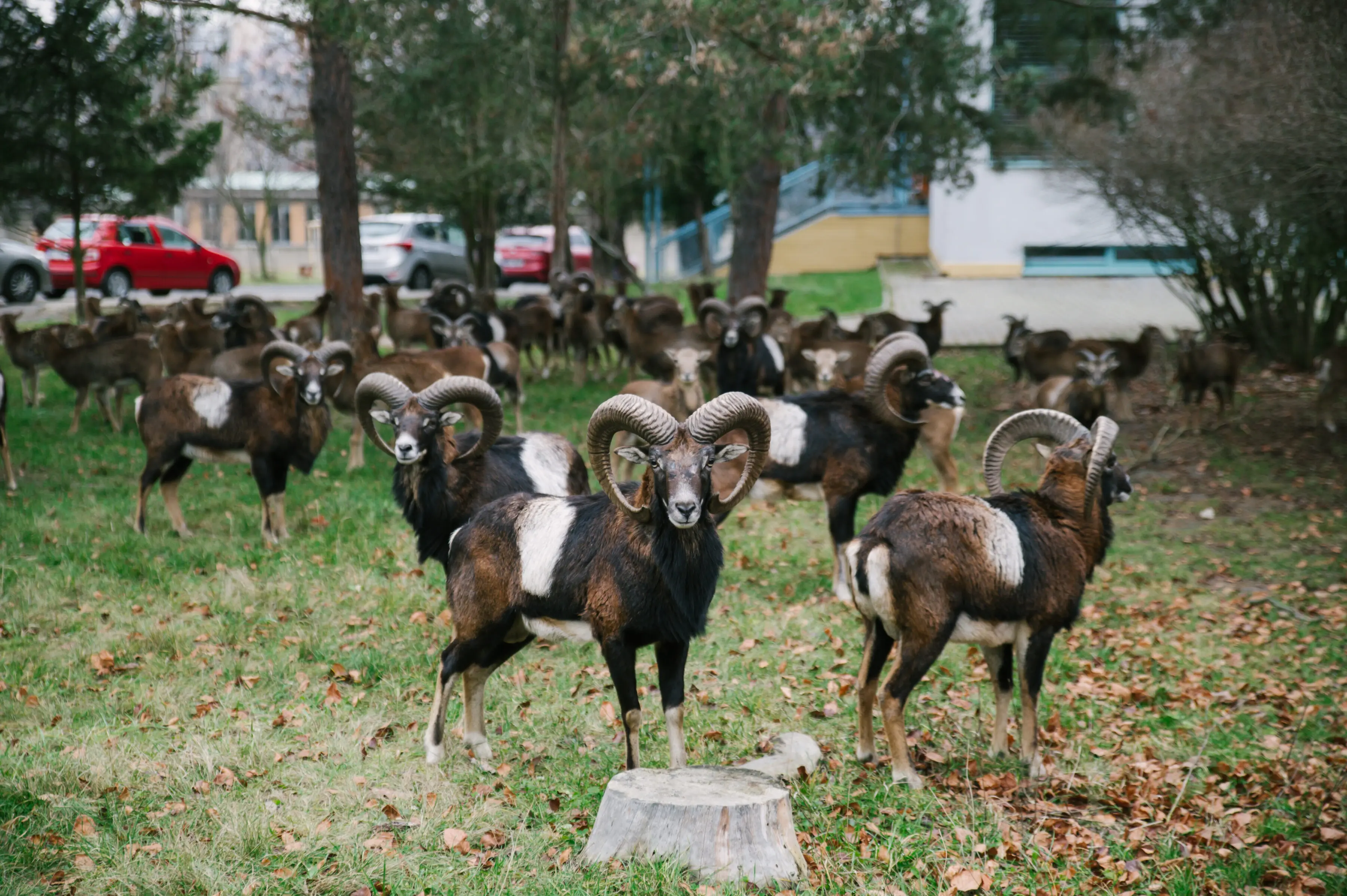
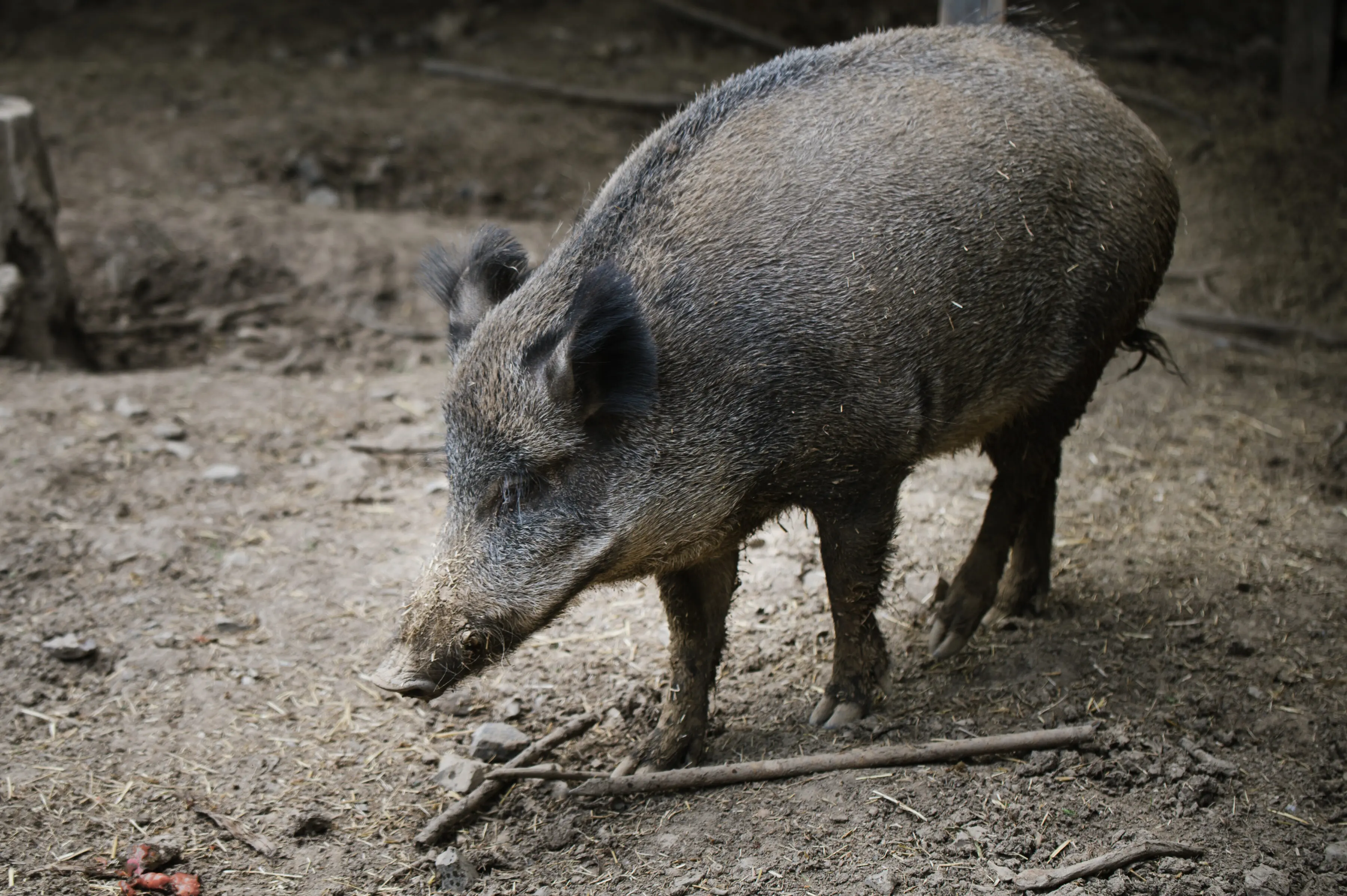
This concerns land in the Kunratice–Michle forest, Na Musile, Troja, Motol, Libeň and Hodkovičky. On this land they mainly hunt hoofed game (roe deer, mouflon, wild boar).
The aim of regulatory culling is to reduce the damage game causes, above all to forest crops and to meadows used for recreation. Because this game — wild boar in particular — often appears in inhabited parts of the city or in areas used intensively for recreation, another reason is to maintain the safety of residents and visitors to those places.
You may also be interested in