
 English
 Čeština
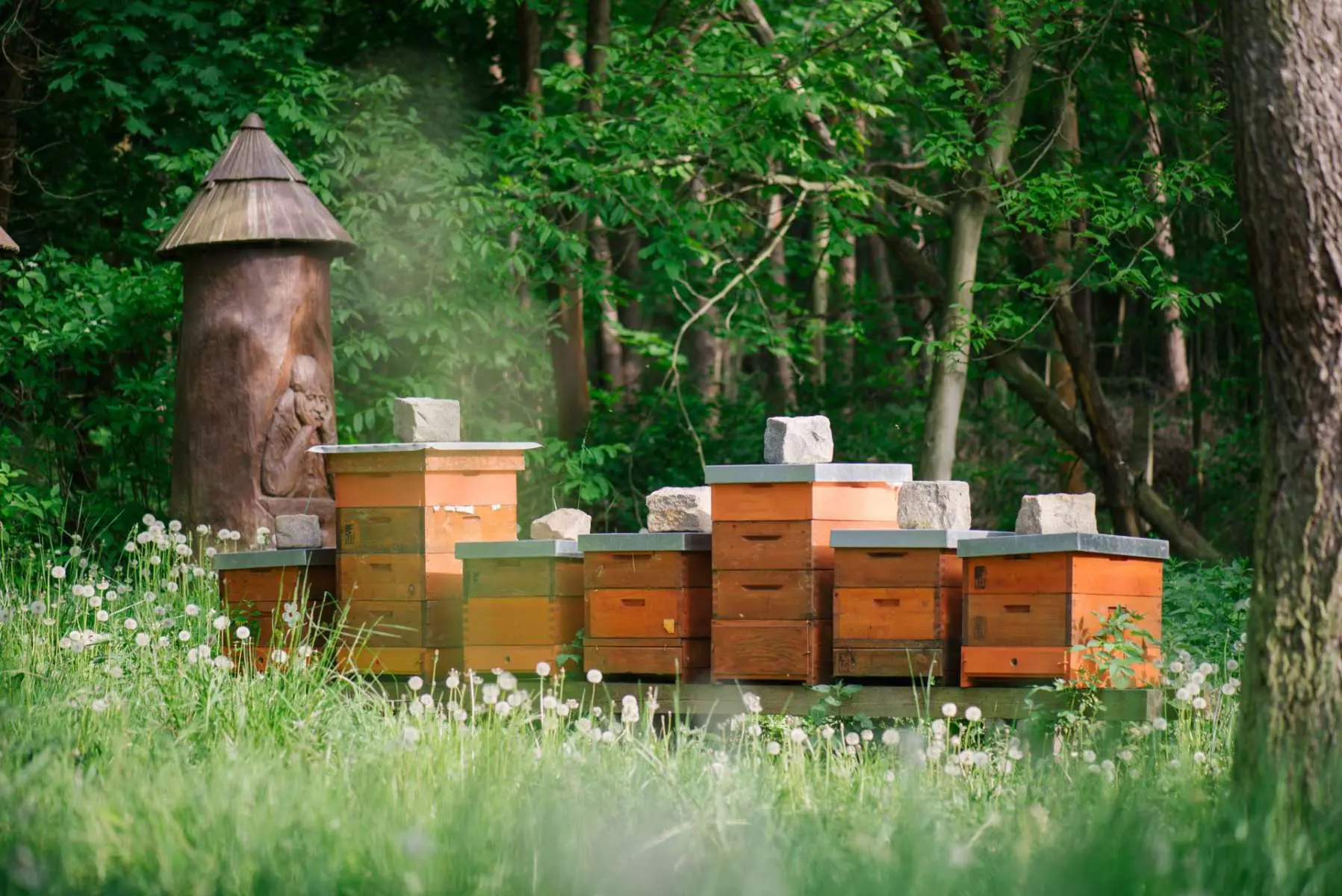
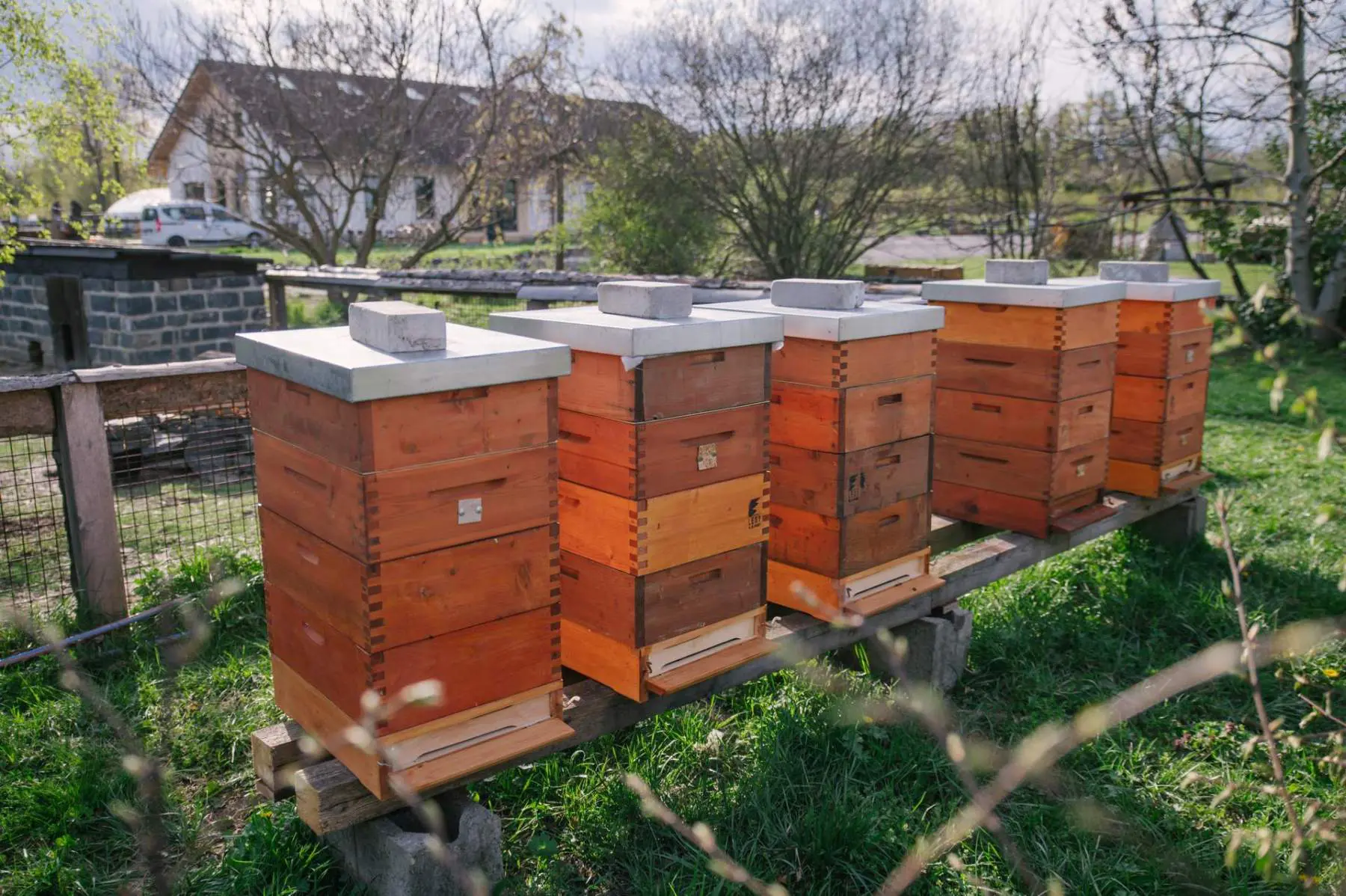
Beekeeping in Prague’s forests has a rich past. It used to be a matter of course to have a few hives by every gamekeeper’s lodge. As beekeeping declined and experienced beekeepers gradually died out, hives all but disappeared from Prague’s forests. Yet it turns out that Prague — thanks to its favourable position, mild temperatures and city parks with a rich variety of woody species — is an excellent area for bees.
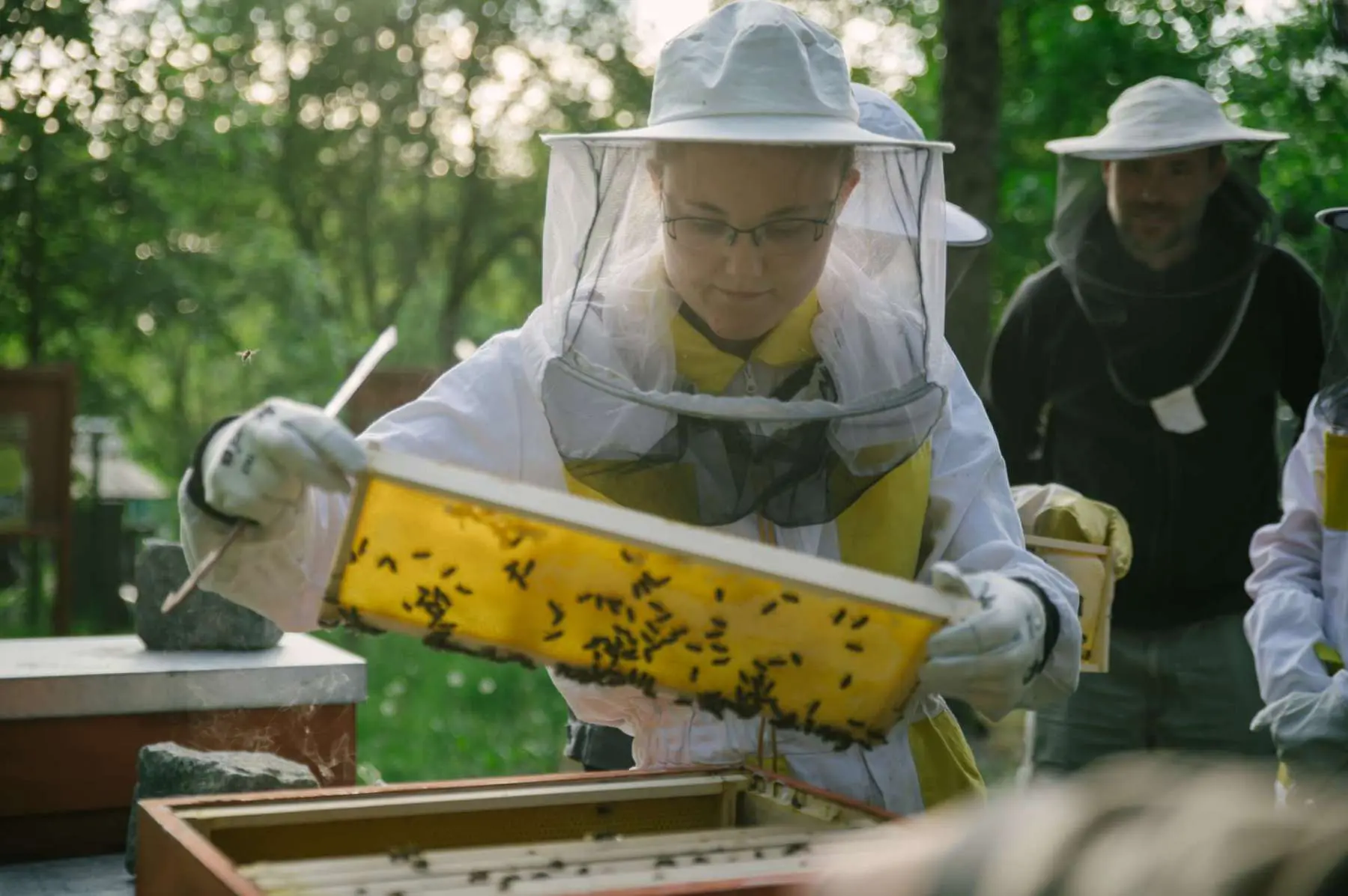
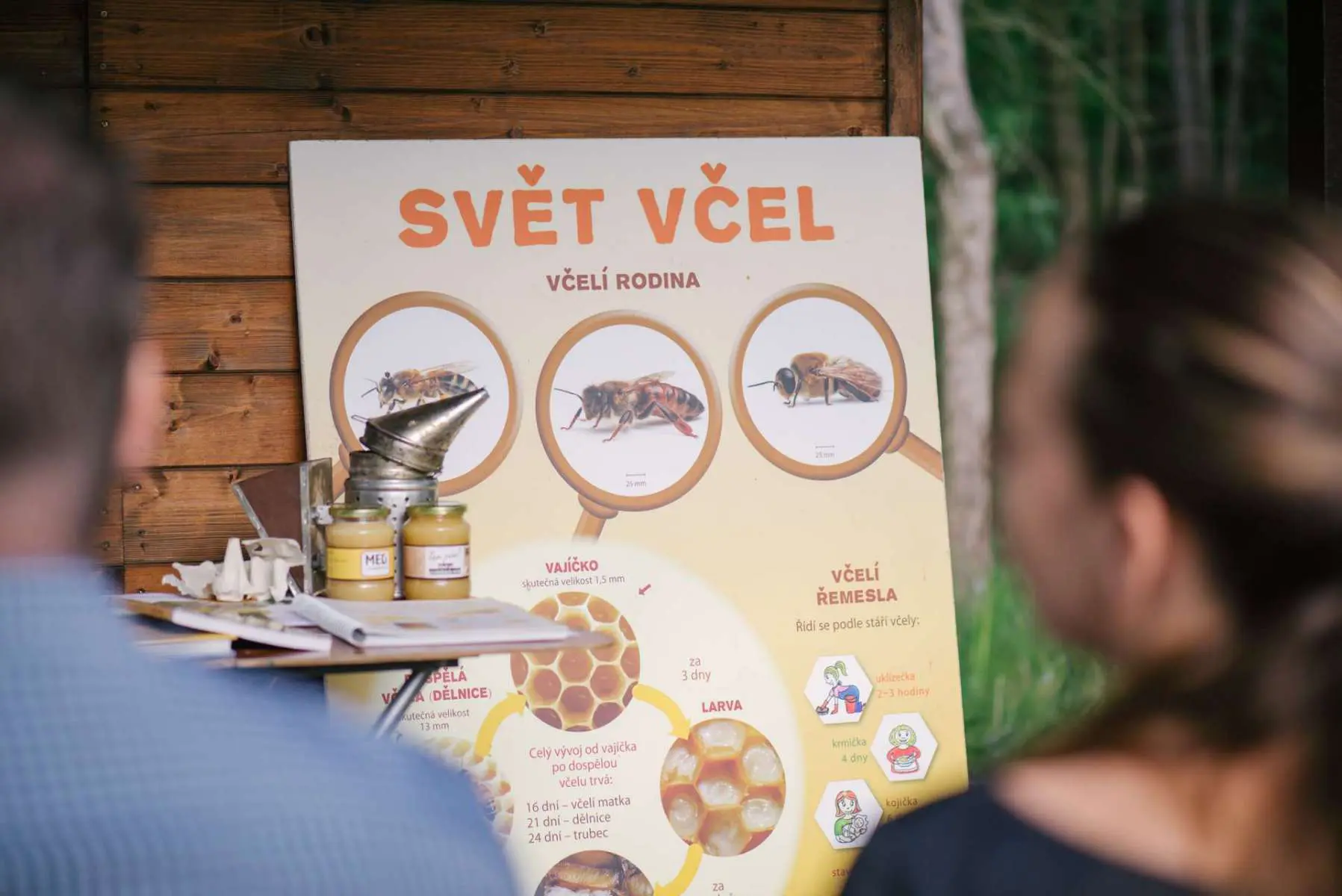
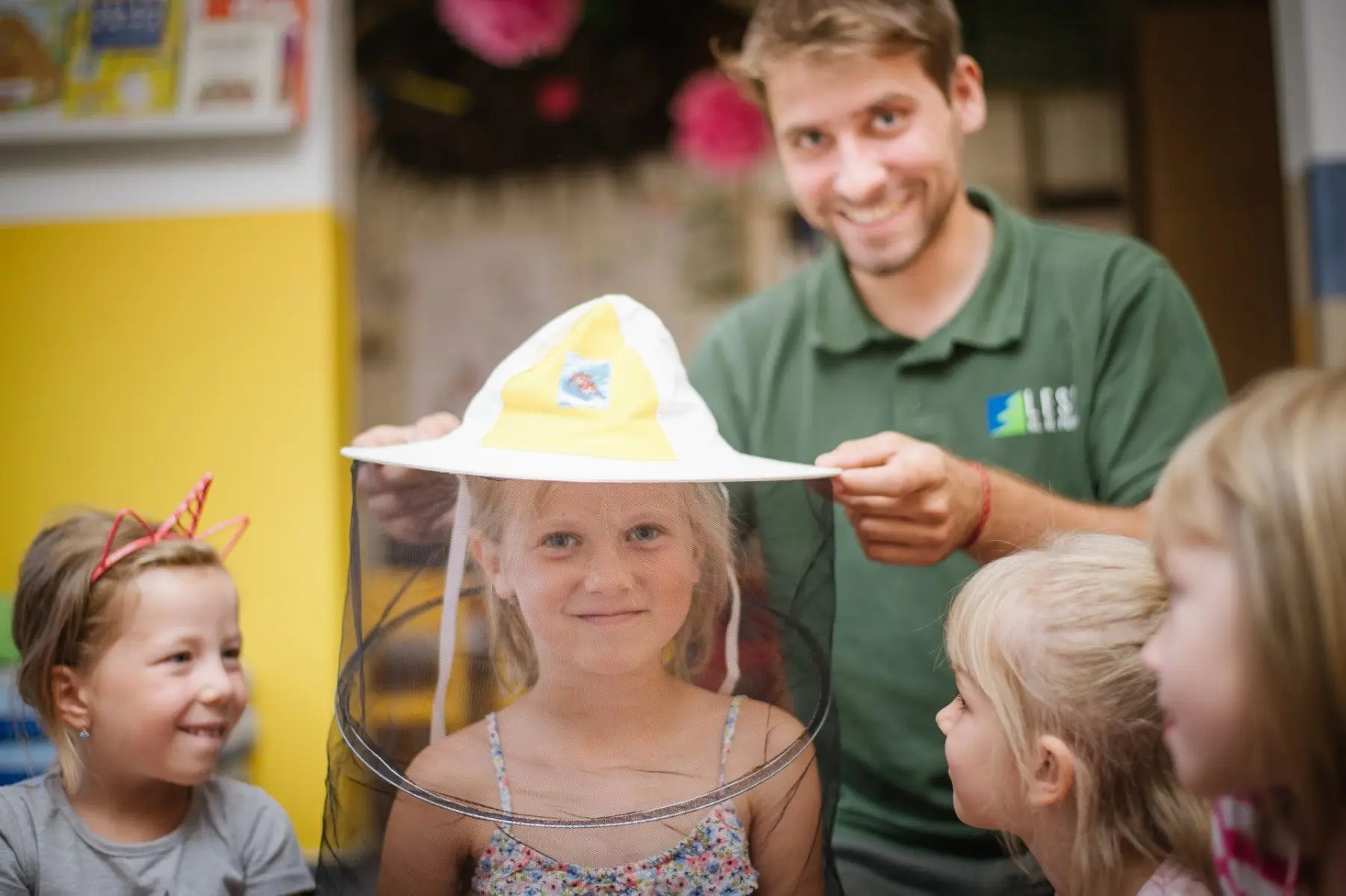
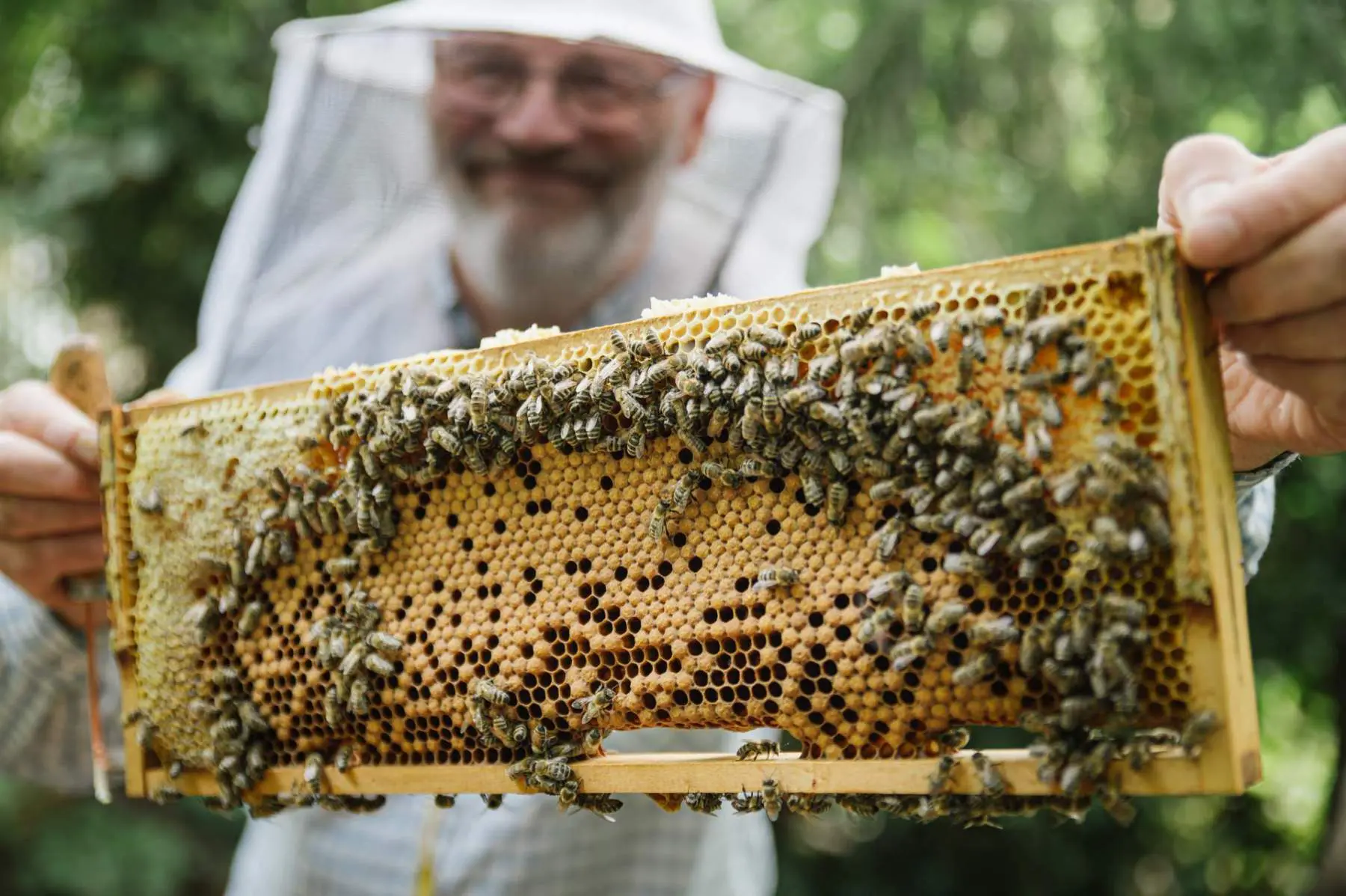
In 2011 Lesy hl. m. Prahy launched their long-term project Bringing bees back to Prague’s forests. Step by step they are establishing new apiaries in Prague’s forests and parks, or restoring ones that had disappeared. The project is not primarily aimed at producing honey; its main mission is to raise public awareness of the irreplaceable role of insects in the ecosystem and in the landscape. At the same time it introduces the traditional craft of beekeeping to the public and provides a base for community beekeeping for beginners. The organisation is engaged not only in keeping bees and processing honey and wax, but also in beekeeping environmental education programmes for schools and the public.
Aims of the project Bringing bees back to Prague’s forests
- Direct support for the return of bees to Prague’s countryside
- Restoring closed apiaries and establishing new ones within the organisation
- Raising awareness among Prague’s residents of the role of insects in the landscape
- Raising awareness of beekeeping and presenting it as a craft of our ancestors
- Improving knowledge about Prague’s nature with an emphasis on caring for it (forest care, care of old orchards)
- Promoting a healthy lifestyle
The project Bringing bees back to Prague’s forests over time
- 2011
The project starts – hives placed in the Kunratice forest - 2012
More colonies in the Kunratice forest
Colonies established in the Milíčov forest
Colonies established in Ďáblice - 2013
Apiary established in Divoká Šárka (supported by Prague 6)
Start of a joint project with the association Mezi stromy – building an interactive apiary in the Kunratice forest (supported by the City of Prague) - 2014
Apiary restored in the Prokop valley (supported by Prague 5)
Apiary established in the Kamýk forest park (supported by Prague 12)
Apiary established in the Hostivař forest park
Apiary established at Kbely – ornamental nursery
Apiary established in the Stodůlky Central Park (supported by Prague 13)
Start of the project Beekeeping of our ancestors (supported by the City of Prague) - 2015
Replicas of historical log hives completed (supported by the City of Prague)
Apiary established at the headquarters of Lesy hl. m. Prahy - 2016
Apiary established in the Malá Chuchle Zoo Corner - 2017
Facilities for the beekeeping operation built — the Honey House, wax processing begins - 2018
Apiaries established at the Lhotka I, Lhotka II and Černý Most retention tanks - 2019
Apiary established at the Prales eco-centre – Dřevák - 2021
The community apiary at the Prales eco-centre opens - 2022
The community apiary in the Kunratice forest opens
The apiary on the New Town Hall building on Mariánské náměstí is restored - 2023
Apiaries open in Nedvězí u Říčan and at the Čeněk retention tank - 2024
A bee trail and apihouse built at the Prales eco-centre
What bees mean for people and the landscape
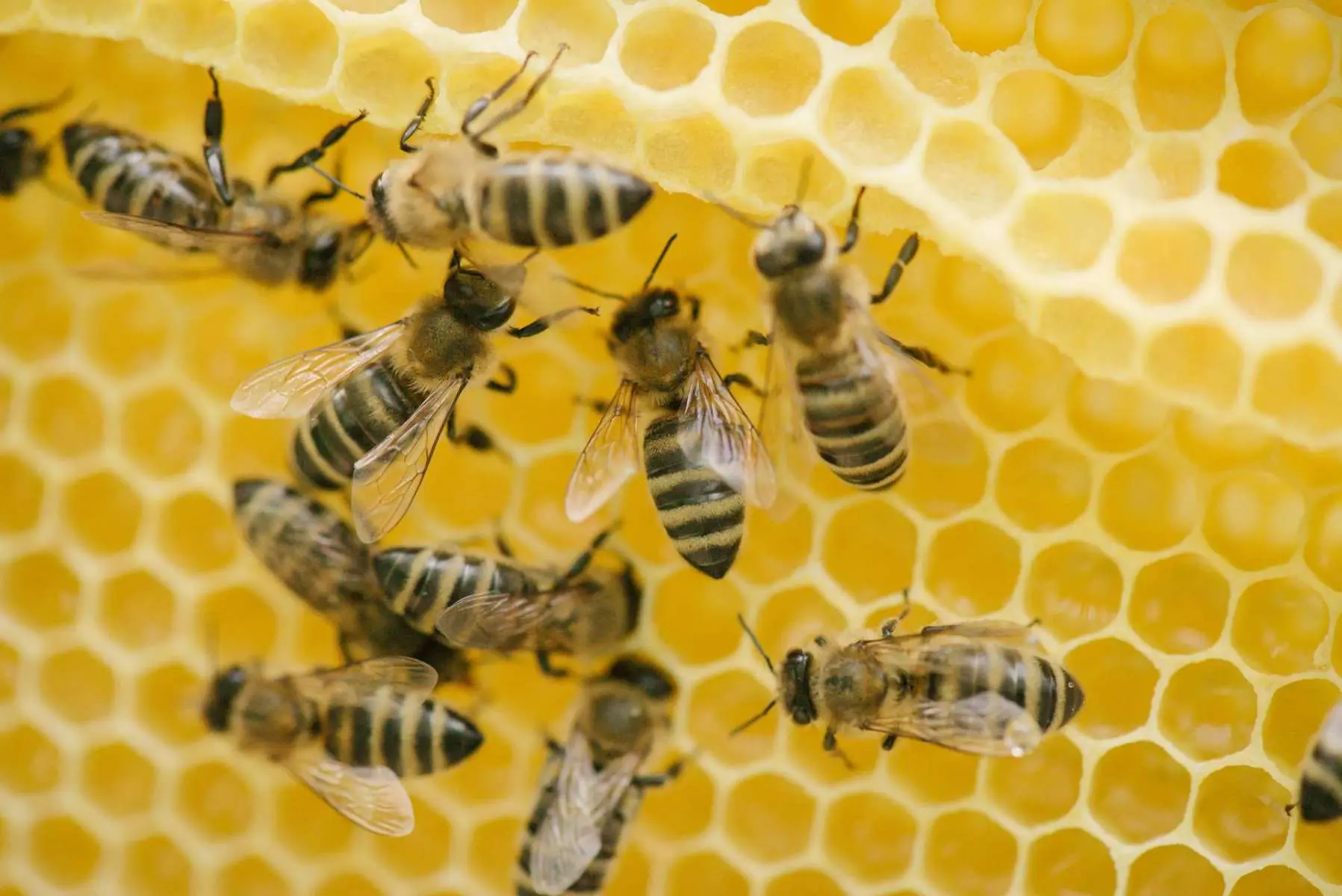
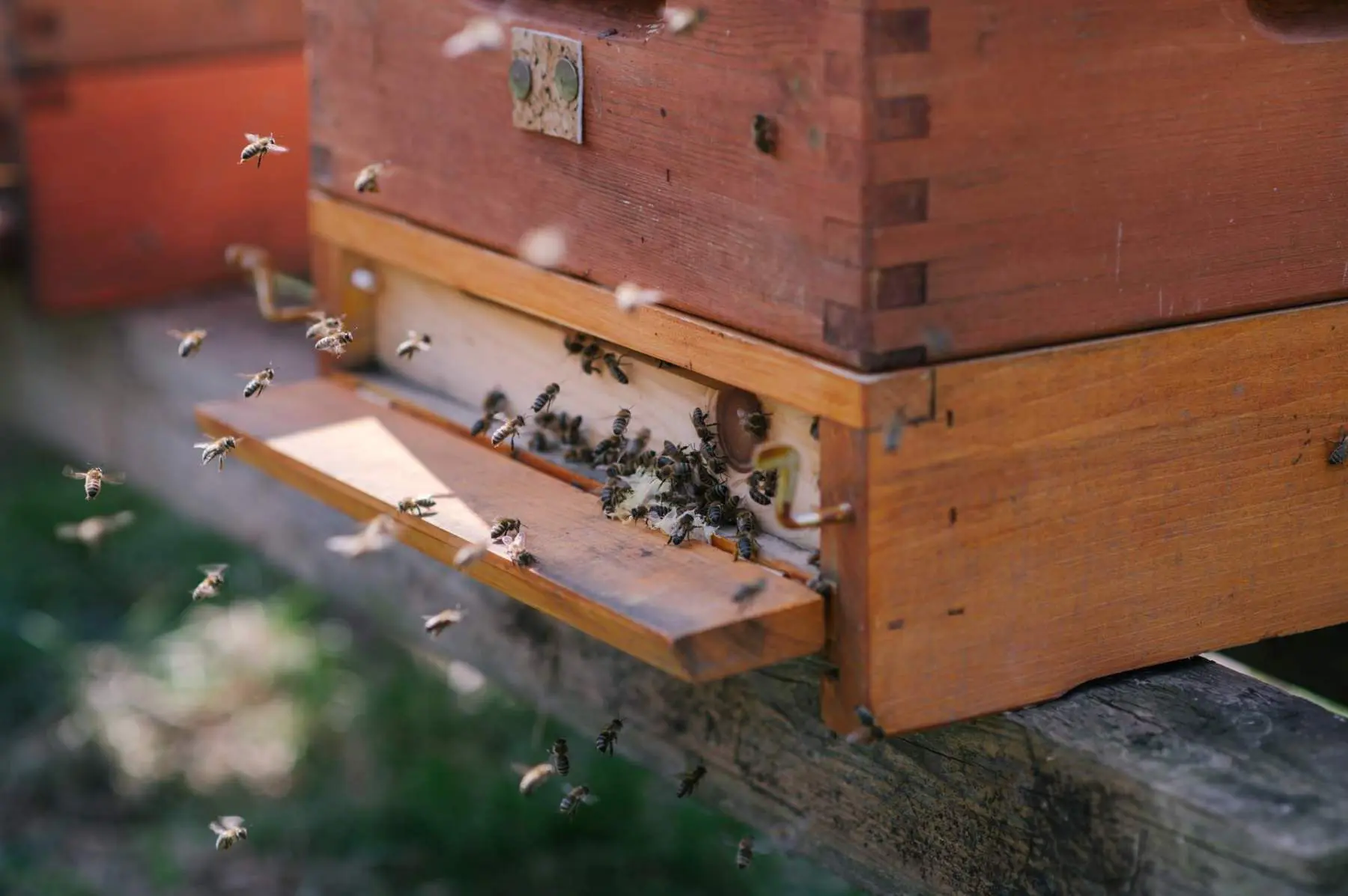
Bees and the forest belong together and always have. The role of bees for the landscape and for people is irreplaceable. Their importance does not lie only in producing biologically valuable substances beneficial to human health — honey, pollen, propolis, royal jelly, bee venom and wax — but above all in the fact that they monitor the quality of the environment and provide up to 97 per cent of the pollination of insect-pollinated crops and wild vegetation.
Bees thus make a major contribution to maintaining the overall balance of nature and, with it, to protecting the environment. As pollinators of wild insect-pollinated plants as well, they play an irreplaceable part in preserving the species diversity of ecosystems. Without bees the species composition of ecosystems shifts in favour of wind-pollinated plants (mainly grasses) and can eventually lead to a plant species disappearing from an area altogether. The indirect production of bees is many times greater than the value of the direct bee products.
Recent decades have seen a considerable decline in the insect species that play a major part in pollinating plants. This concerns mainly wild species of solitary bees and bumblebees, which are losing their habitats as the landscape changes.
Nor should the importance of beekeeping for education and public awareness be overlooked. Bees live in close contact with nature. Through their lives it is possible to understand a great many natural laws and to bring them closer to the public.